The Stoic Library
A curated reading list for the serious Stoic practitioner — from the primary texts to the best modern applications.
Links are Amazon affiliate links. Purchasing through them supports Askesis at no extra cost to you.
The Stoic tradition spans five centuries and three continents, from the Painted Porch in Athens to the imperial court in Rome. These are the thinkers who built it.
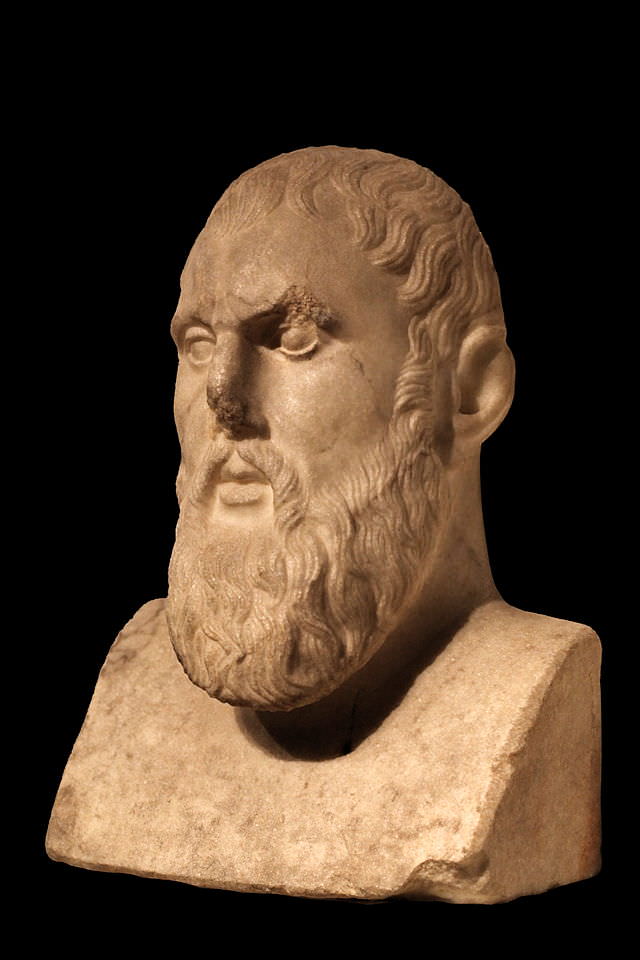
Zeno of Citium
c. 334–262 BC
Founder of Stoicism
Born in Citium, Cyprus, Zeno came to Athens after a shipwreck and studied under the Cynic Crates of Thebes before founding his own school in the Stoa Poikilê — the Painted Porch — around 300 BC. He taught that virtue alone is sufficient for happiness, that the wise man is free even in chains, and that all human beings share in a universal rational nature. None of his writings survive intact, but his influence shaped every subsequent Stoic thinker.
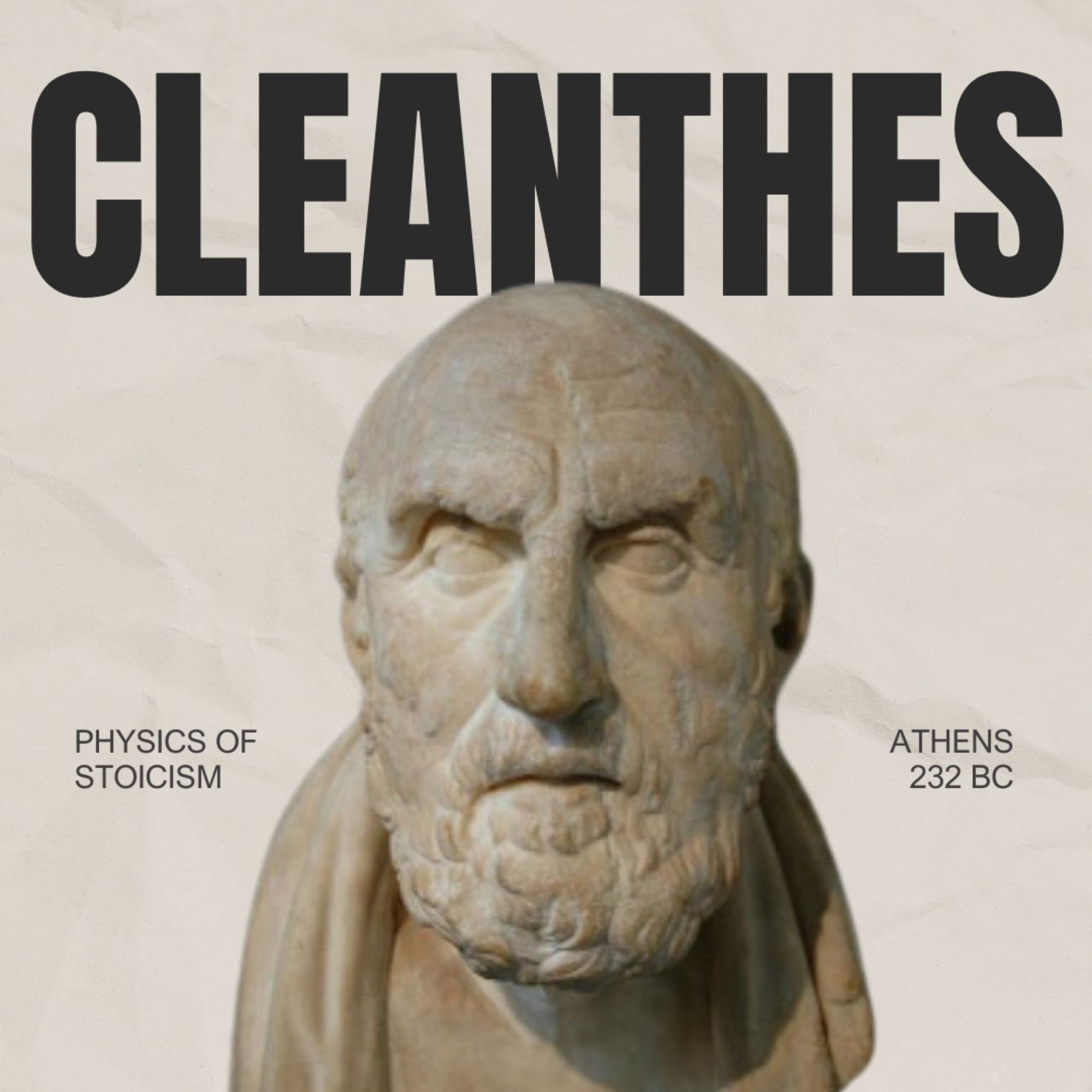
Cleanthes
c. 330–230 BC
Second Head of the Stoa
A former boxer who arrived in Athens with almost nothing, Cleanthes worked as a water-carrier by night to fund his philosophical studies by day. He succeeded Zeno as head of the school and held the position for thirty-two years. His Hymn to Zeus is the most complete surviving Stoic text from the early period — a remarkable poem that identifies Zeus with the rational principle governing the cosmos. He is said to have starved himself to death voluntarily when illness prevented him from continuing his work.
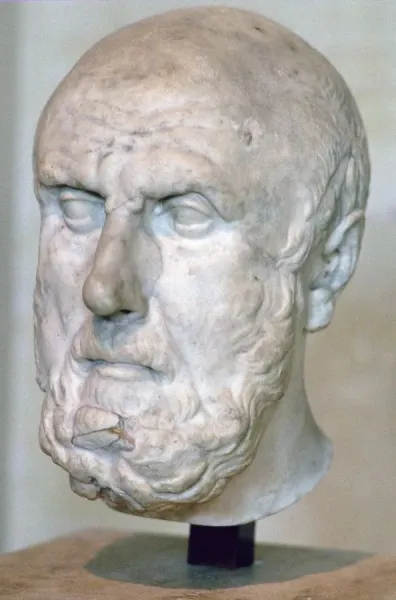
Chrysippus
c. 279–206 BC
Systematiser of Stoicism
The third head of the Stoa and the philosopher who gave Stoicism its systematic form. Chrysippus was extraordinarily prolific — ancient sources credit him with over 700 works, though none survive complete. He developed Stoic logic to a level that rivalled Aristotle, refined the doctrine of the passions, and defended the school against Academic scepticism with such rigour that it was said: 'Without Chrysippus, there would be no Stoa.' His influence on the later Roman Stoics was decisive.
Panaetius
c. 185–109 BC
Bridge to Rome
A native of Rhodes who became head of the Stoic school in Athens and a close friend of Scipio Africanus the Younger, Panaetius was the philosopher who brought Stoicism to Rome. He adapted the school's ethics for a Roman aristocratic audience — softening some of the more demanding Stoic positions, engaging with Platonic and Aristotelian ideas, and making practical virtue the centre of his teaching. His work On Duties was the primary source for Cicero's De Officiis and shaped Roman moral philosophy for generations.
Posidonius
c. 135–51 BC
Polymath of the Middle Stoa
A student of Panaetius and one of the most learned men of antiquity, Posidonius of Apamea combined Stoic philosophy with geography, history, astronomy, and natural science in a synthesis of extraordinary breadth. He ran a school in Rhodes that attracted Cicero, Pompey, and many of the leading Romans of his day. He challenged the orthodox Stoic psychology by arguing that the passions have an irrational element irreducible to false judgement — a position that influenced later debates about the will and emotion.
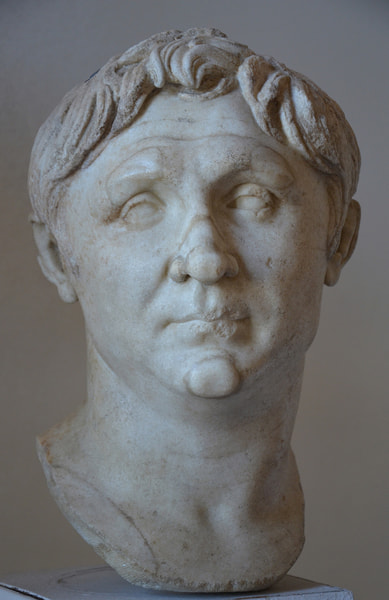
Cato the Younger
95–46 BC
The Stoic Statesman
Marcus Porcius Cato Uticensis was the Roman Republic's most uncompromising defender of Stoic virtue in public life. A senator, soldier, and opponent of Julius Caesar, Cato embodied the Stoic ideal of the wise man who prefers death to dishonour. When Caesar's victory at Thapsus made the fall of the Republic inevitable, Cato retired to Utica and took his own life rather than accept Caesar's pardon — an act that made him the defining Stoic martyr for centuries. Seneca held him up as the supreme example of a man who lived and died in accordance with virtue. He wrote no philosophy, but his life was his argument.
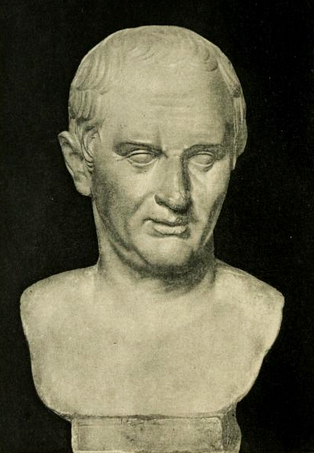
Cicero
106–43 BC
Interpreter and Transmitter
Marcus Tullius Cicero was not a Stoic — he identified as an Academic sceptic — but he is the single most important figure in the transmission of Stoic philosophy to the Latin-speaking world and, through Latin, to the European tradition. His philosophical works, written in a burst of productivity after his political exile, translated Stoic ethics, physics, and theology into Latin for the first time, coining many of the technical terms (including 'moral' and 'quality') that philosophy still uses. His De Officiis, based on Panaetius's On Duties, was one of the most widely read books in European history. Without Cicero, the Stoic tradition would have reached the Renaissance in fragments.
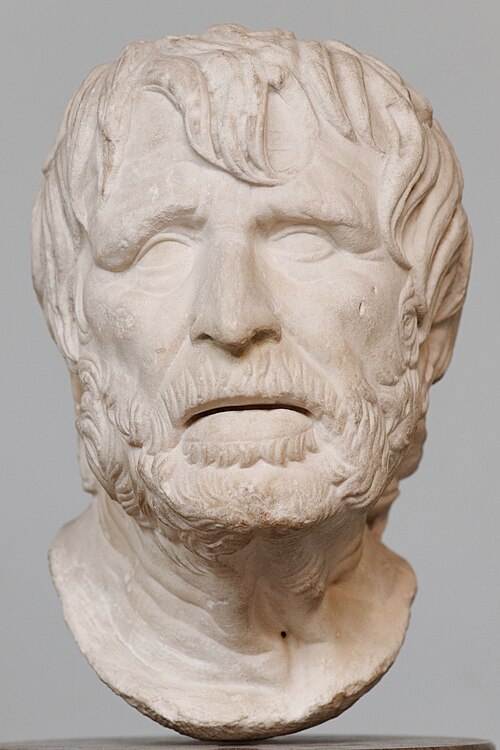
Seneca
c. 4 BC – 65 AD
Stoic Statesman and Writer
Lucius Annaeus Seneca was born in Córdoba, educated in Rome, and became the most powerful man in the empire as tutor and advisor to the young Nero. His philosophical writings — the Letters to Lucilius, the Moral Essays, and the tragedies — are among the most psychologically acute texts in the Stoic tradition. He wrote with unusual candour about his own failures, his fear of death, and the difficulty of living philosophically under a tyrant. He was eventually ordered by Nero to take his own life, which he did with composure. His work is the entry point for most modern readers into Stoicism.
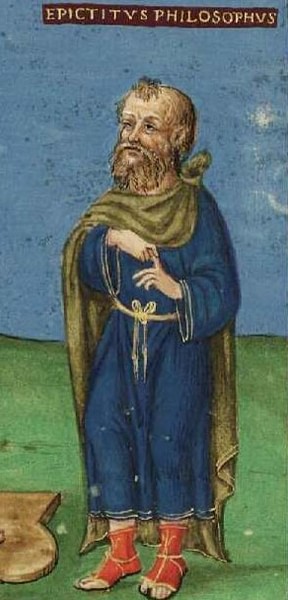
Musonius Rufus
c. 30–100 AD
The Roman Socrates
Gaius Musonius Rufus was a Roman knight who taught philosophy in Rome and was twice exiled by emperors who found his influence dangerous. He was Epictetus's teacher and one of the most practically minded of all Stoic philosophers. His surviving lectures address diet, marriage, the education of women, and the relationship between philosophy and daily life with a directness that is still striking. He insisted that philosophy must be lived, not merely studied, and that a philosopher who does not live according to his teaching is no philosopher at all.
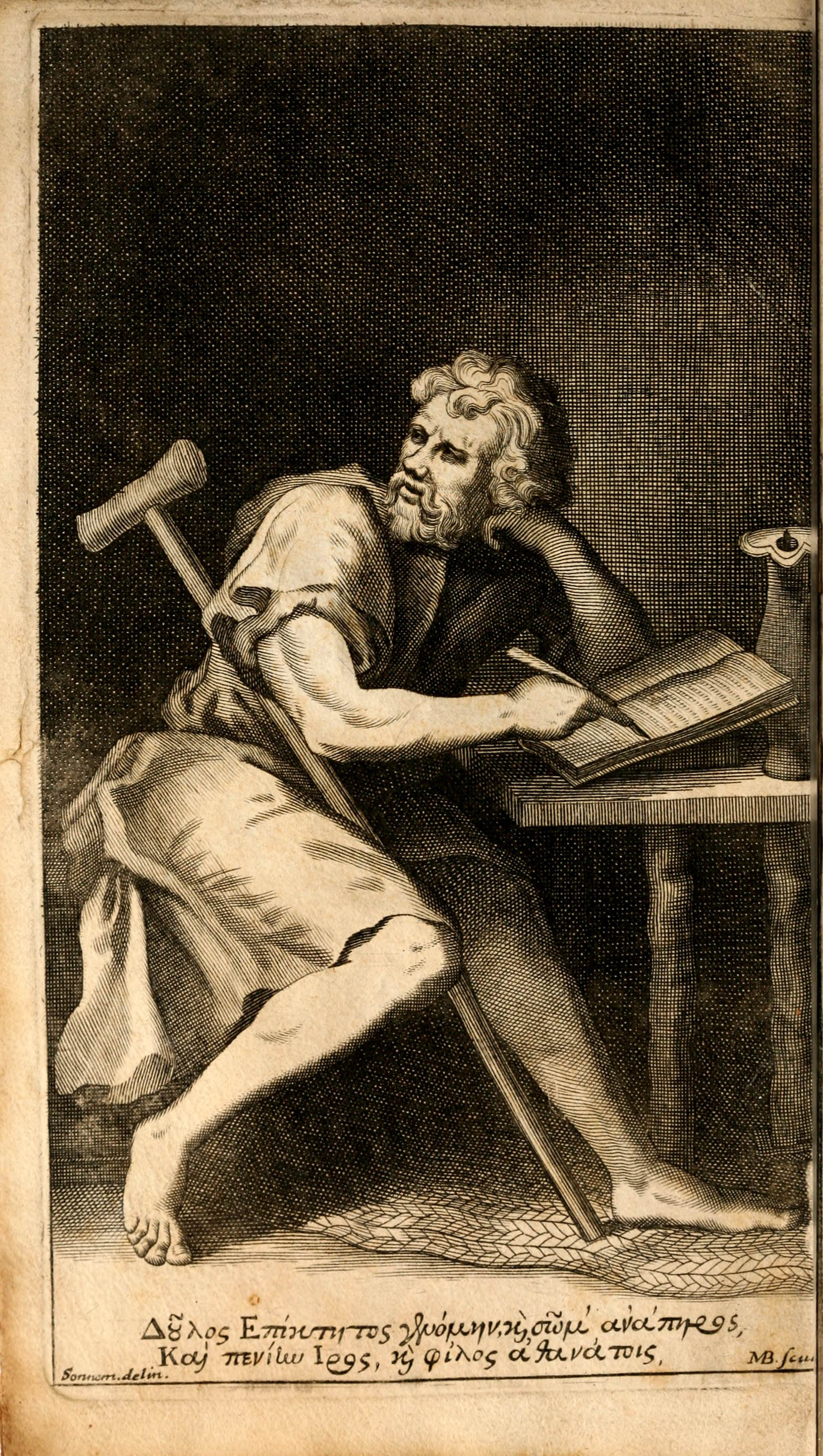
Epictetus
c. 50–135 AD
Stoic Teacher and Former Slave
Born a slave in Hierapolis, Phrygia, Epictetus studied Stoicism under Musonius Rufus in Rome before being freed and eventually founding his own school in Nicopolis, Greece. He wrote nothing himself — his teachings survive through the notes of his student Arrian, compiled as the Discourses and the Enchiridion. His philosophy centres on a single distinction: between what is 'up to us' (our judgements, desires, and responses) and what is not (everything external). This dichotomy of control is the most influential single idea in the Stoic tradition and the foundation of much of modern cognitive therapy.
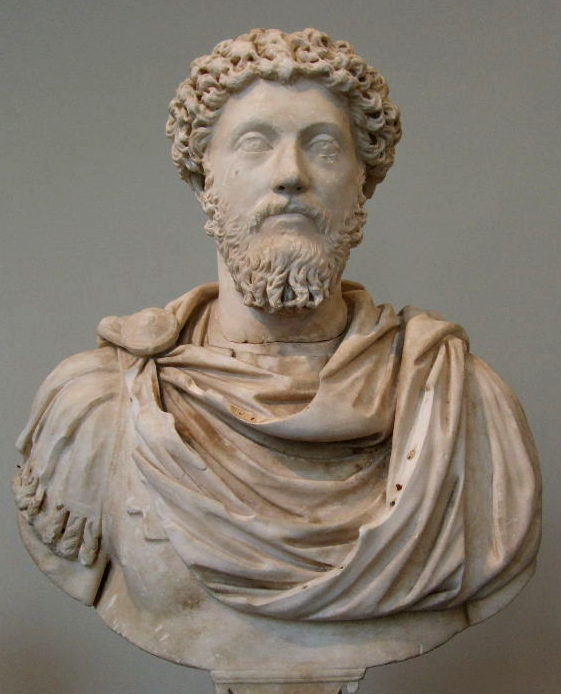
Marcus Aurelius
121–180 AD
Philosopher-Emperor
Marcus Aurelius Antoninus was Roman Emperor from 161 to 180 AD and the last of the Five Good Emperors. He studied Stoic philosophy under Junius Rusticus, who introduced him to Epictetus's Discourses, and spent his reign fighting wars on the Danube frontier while writing the private philosophical notebooks we know as the Meditations. Written in Greek, addressed to himself, never intended for publication, the Meditations are the most intimate document in the history of philosophy — a record of a man trying, daily, to live up to his own principles. He is the Stoic tradition's most powerful argument that philosophy is not an academic exercise but a way of life.
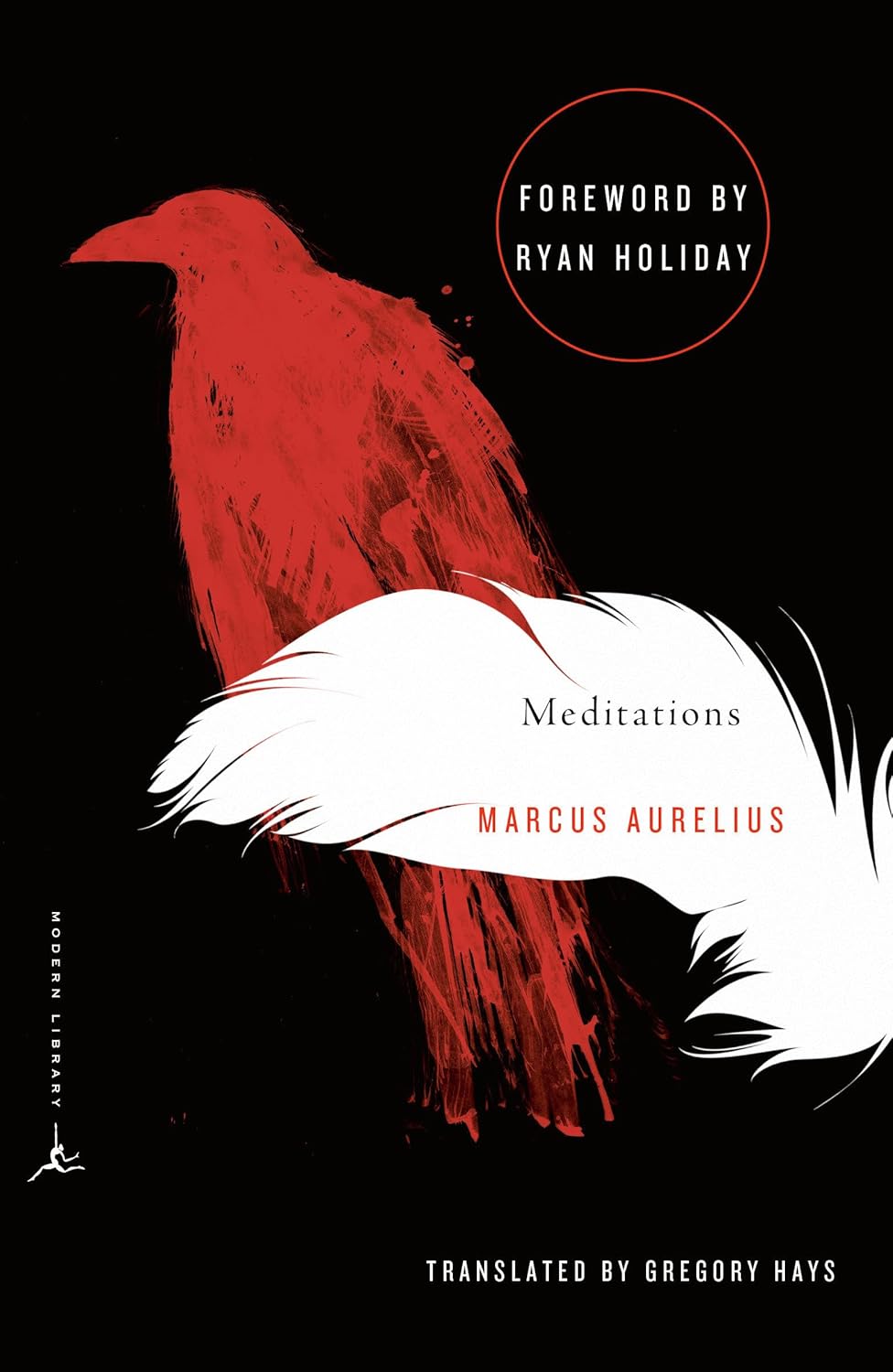
Meditations
by Marcus Aurelius
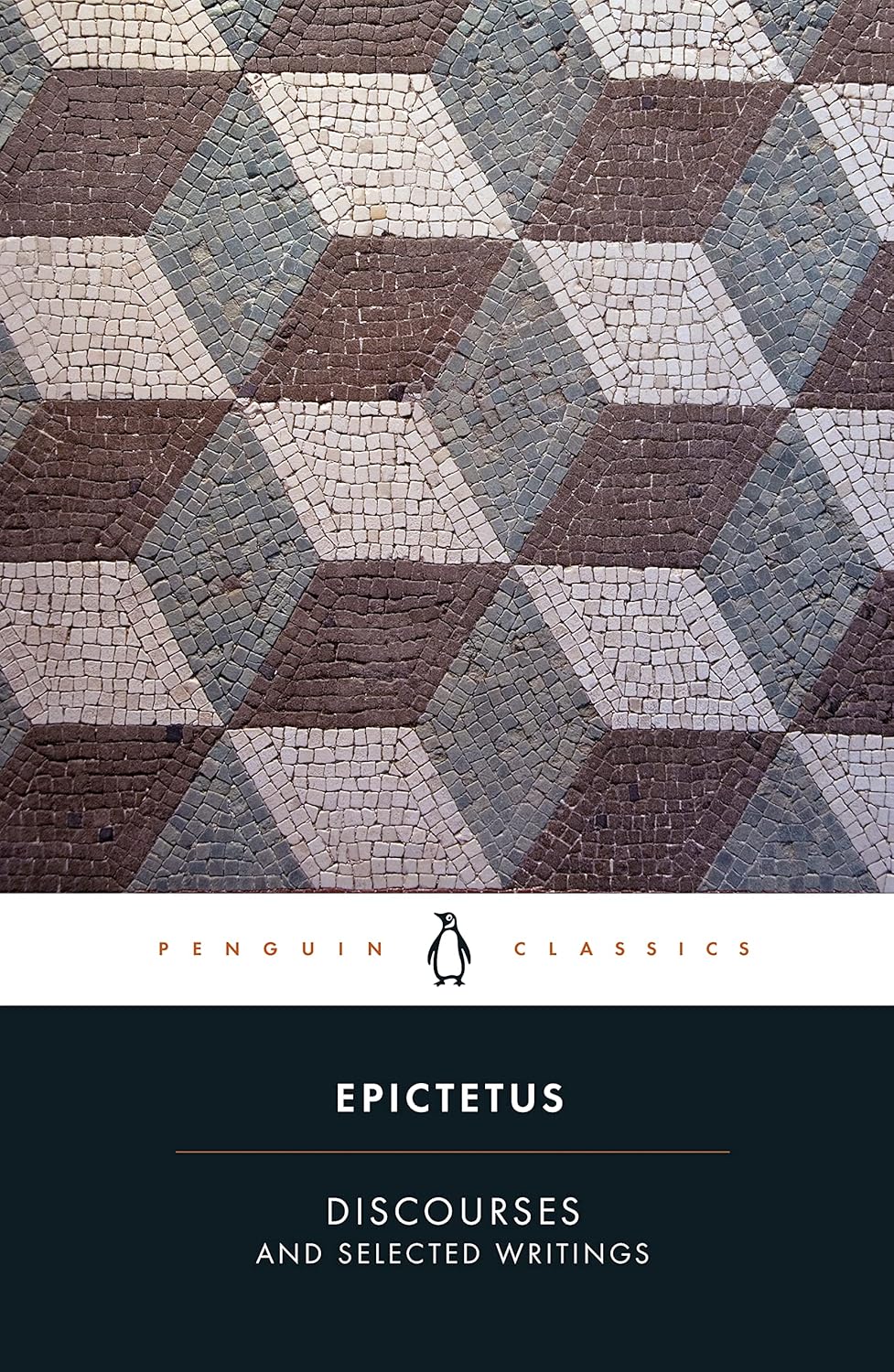
Discourses
by Epictetus
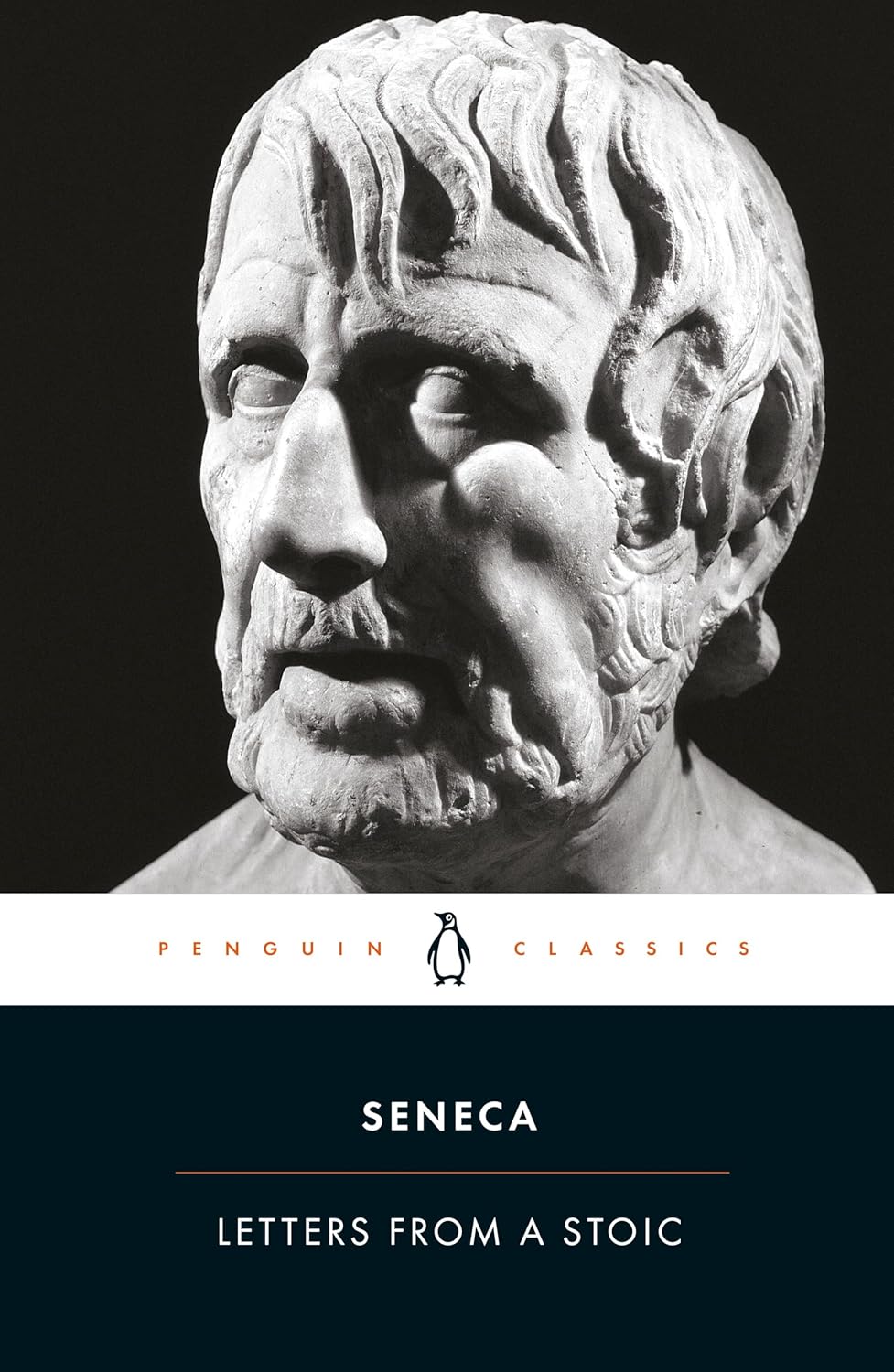
Letters from a Stoic
by Seneca
Enchiridion
by Epictetus
On the Shortness of Life
by Seneca
Musonius Rufus: Lectures and Sayings
by Musonius Rufus
Lives of the Eminent Philosophers
by Diogenes Laërtius
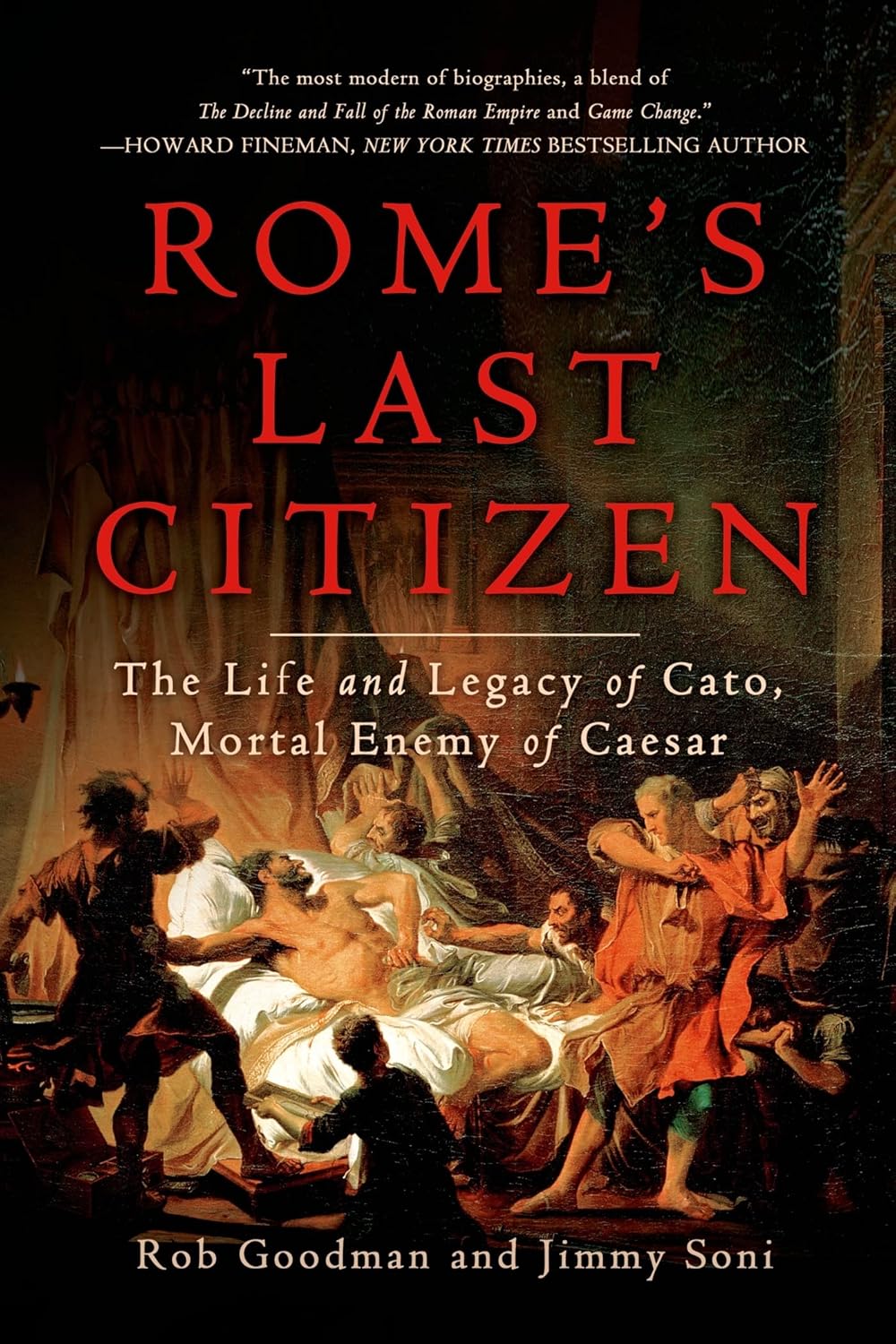
Rome's Last Citizen
by Rob Goodman & Jimmy Soni
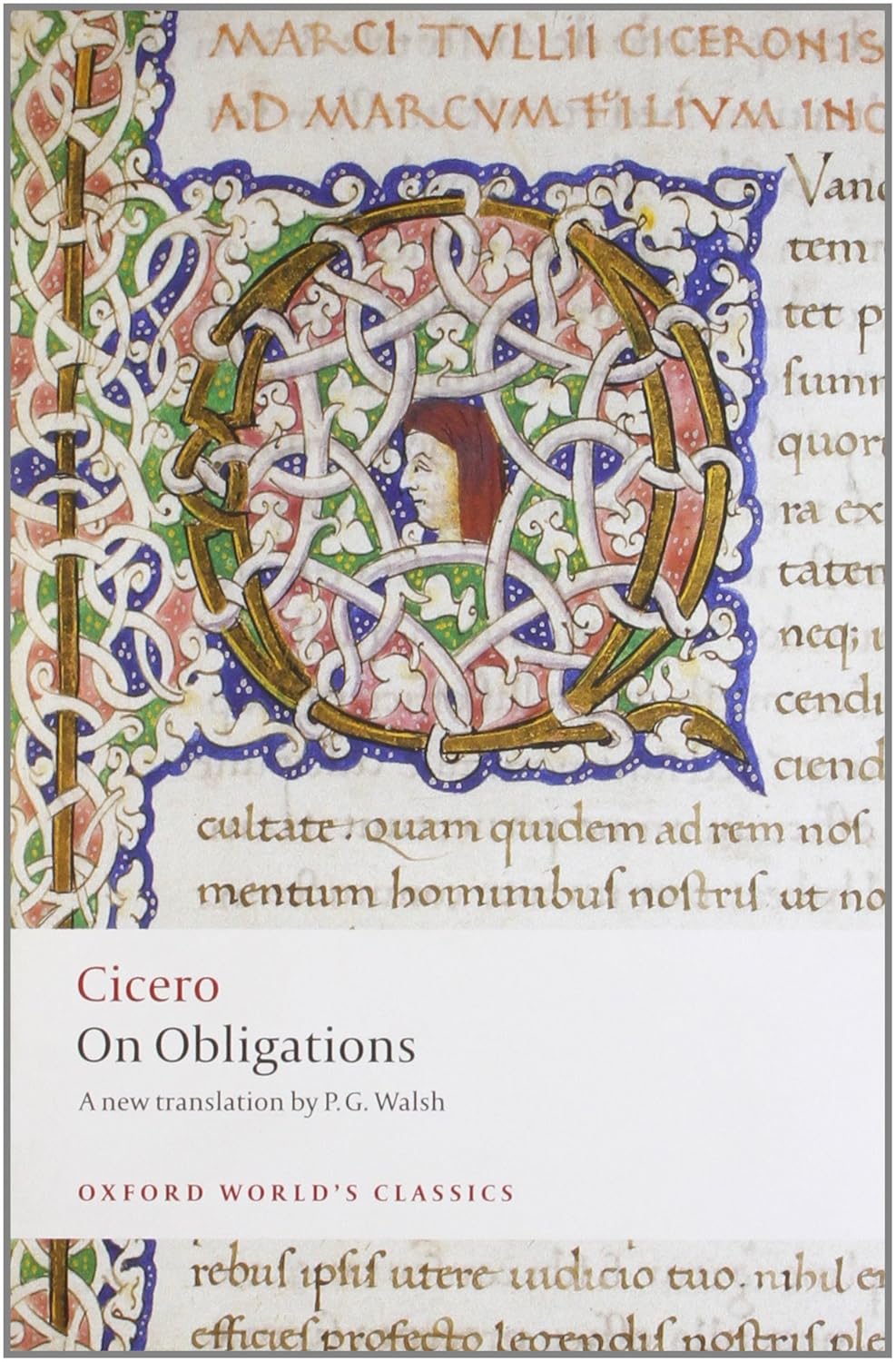
De Officiis (On Duties)
by Cicero
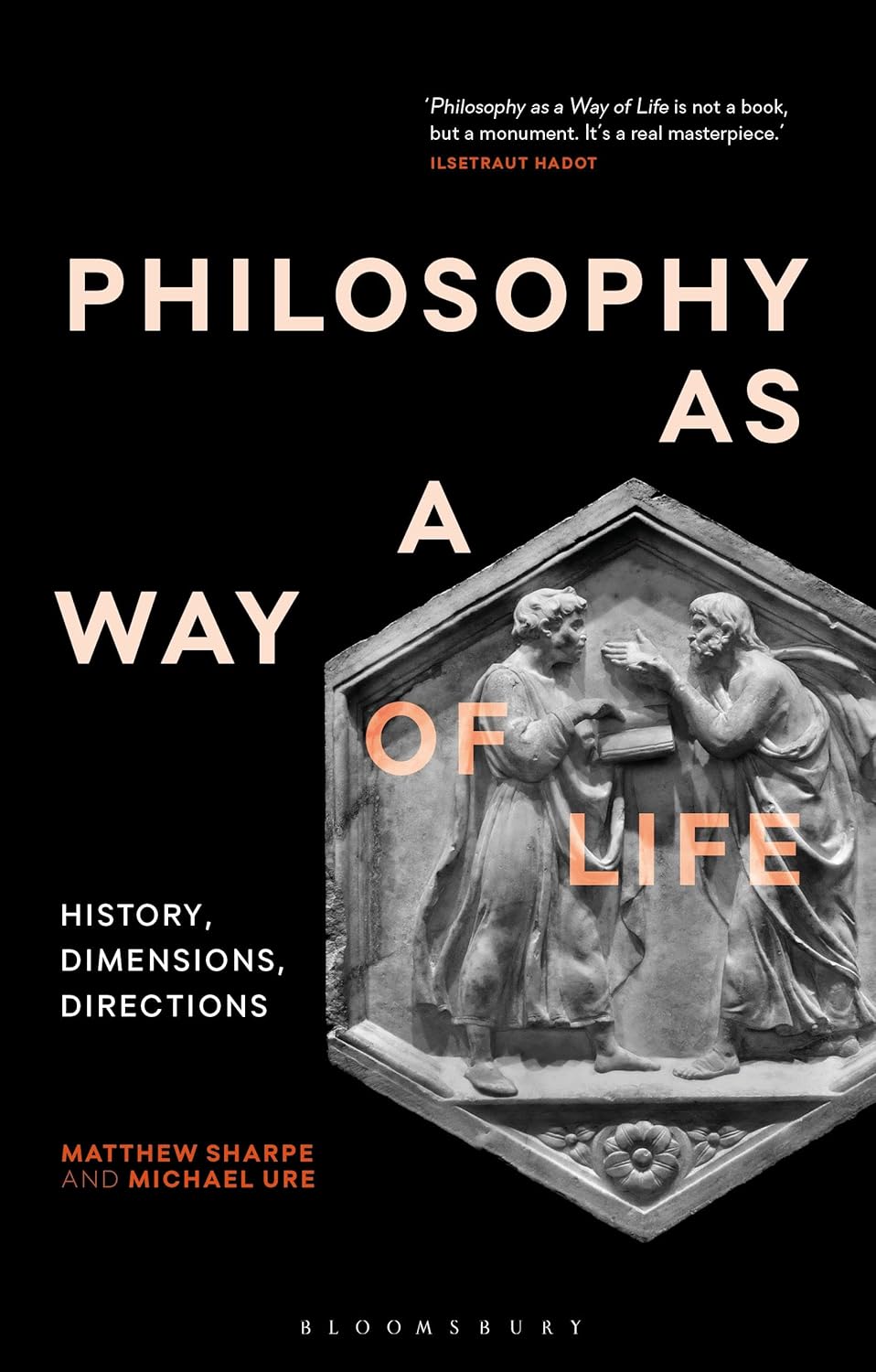
Philosophy as a Way of Life
by Pierre Hadot
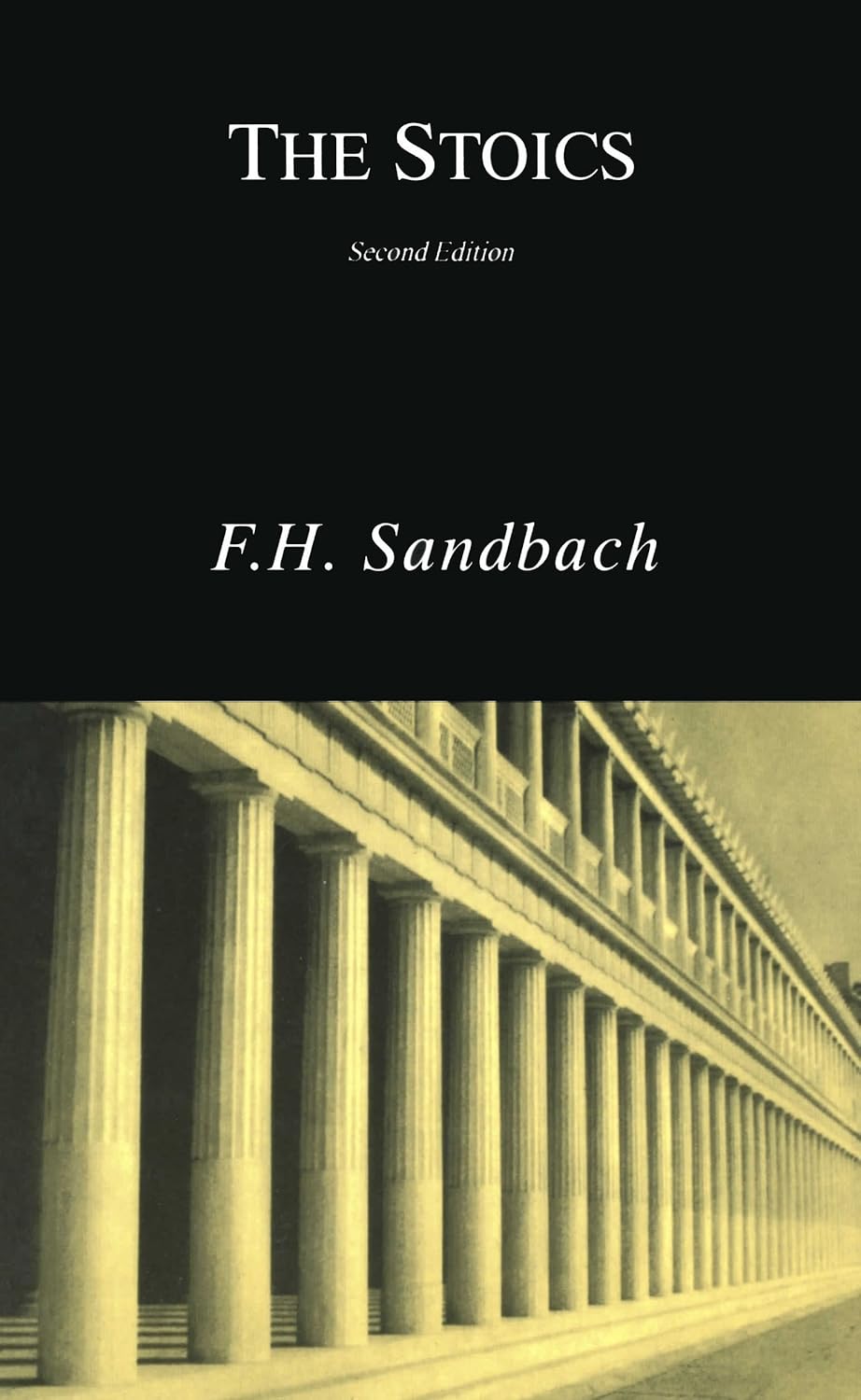
The Stoics
by F.H. Sandbach
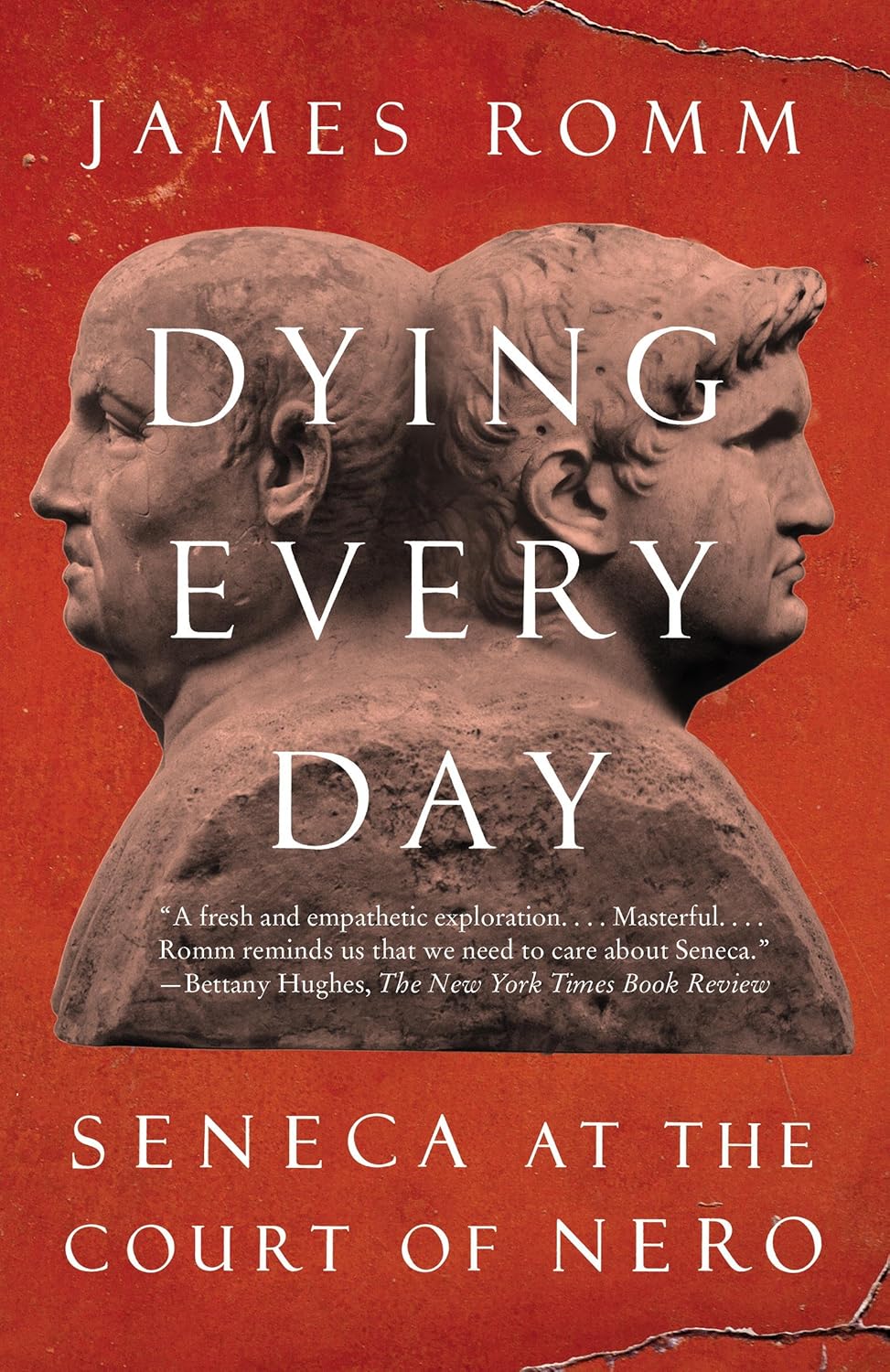
Dying Every Day
by James Romm
A Guide to the Good Life
by William B. Irvine
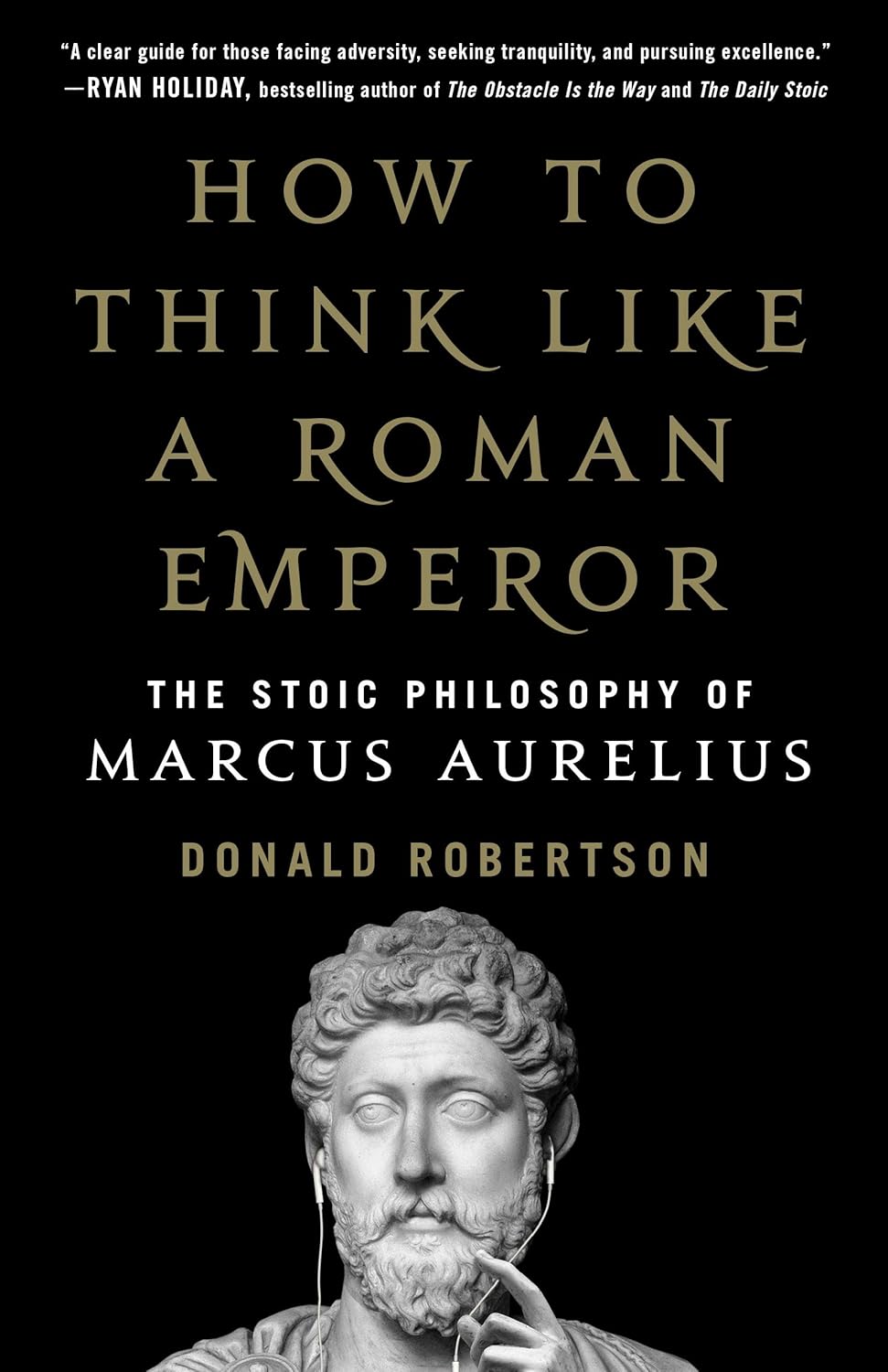
How to Think Like a Roman Emperor
by Donald Robertson
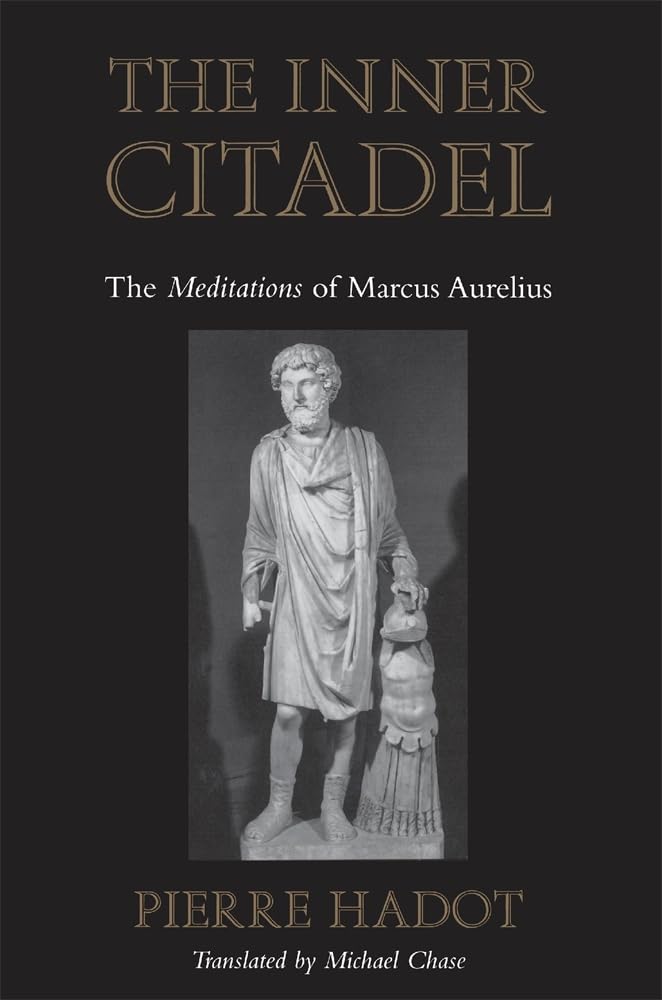
The Inner Citadel
by Pierre Hadot
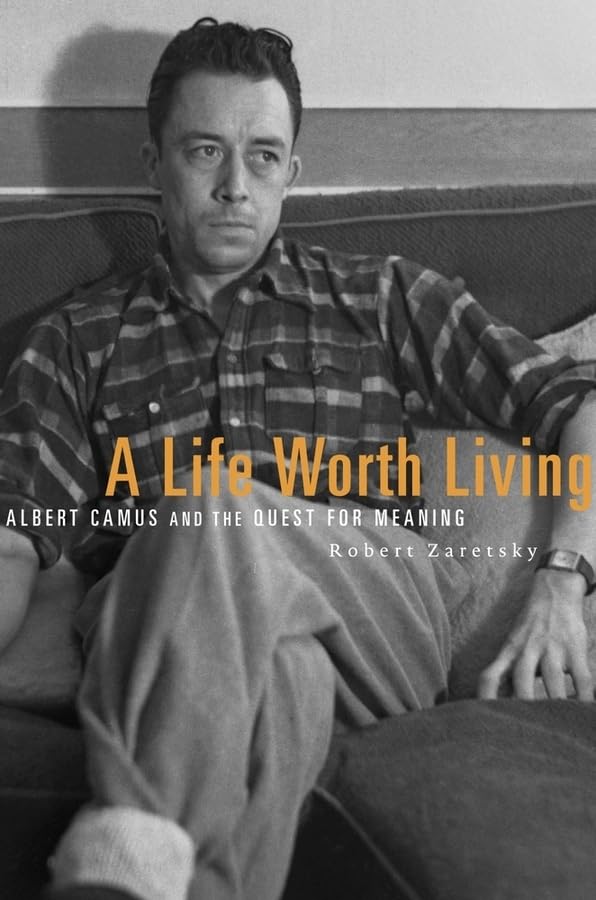
A Life Worth Living
by Robert Zaretsky
The Daily Stoic
by Ryan Holiday & Stephen Hanselman
The Obstacle Is the Way
by Ryan Holiday
Ego Is the Enemy
by Ryan Holiday
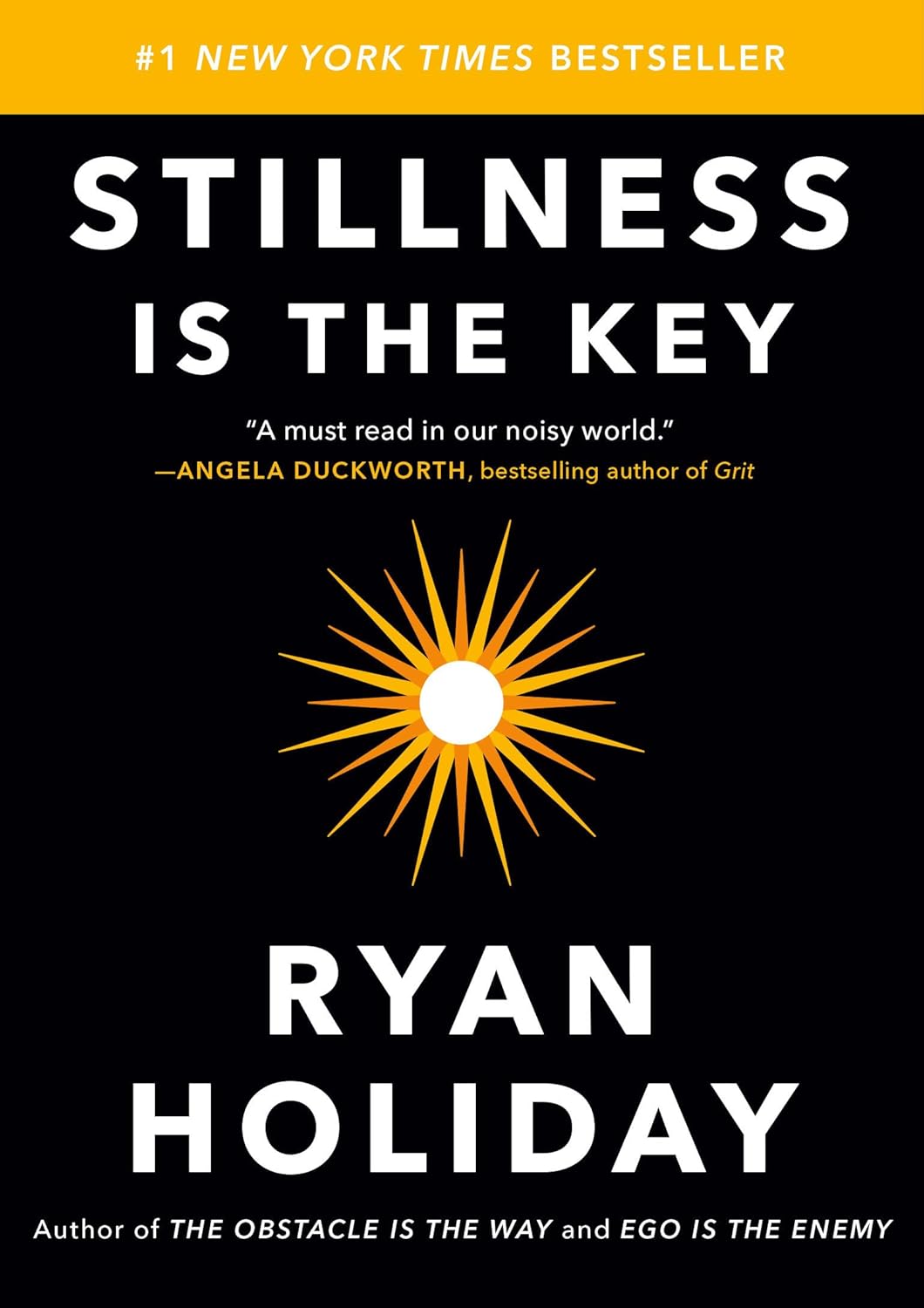
Stillness Is the Key
by Ryan Holiday
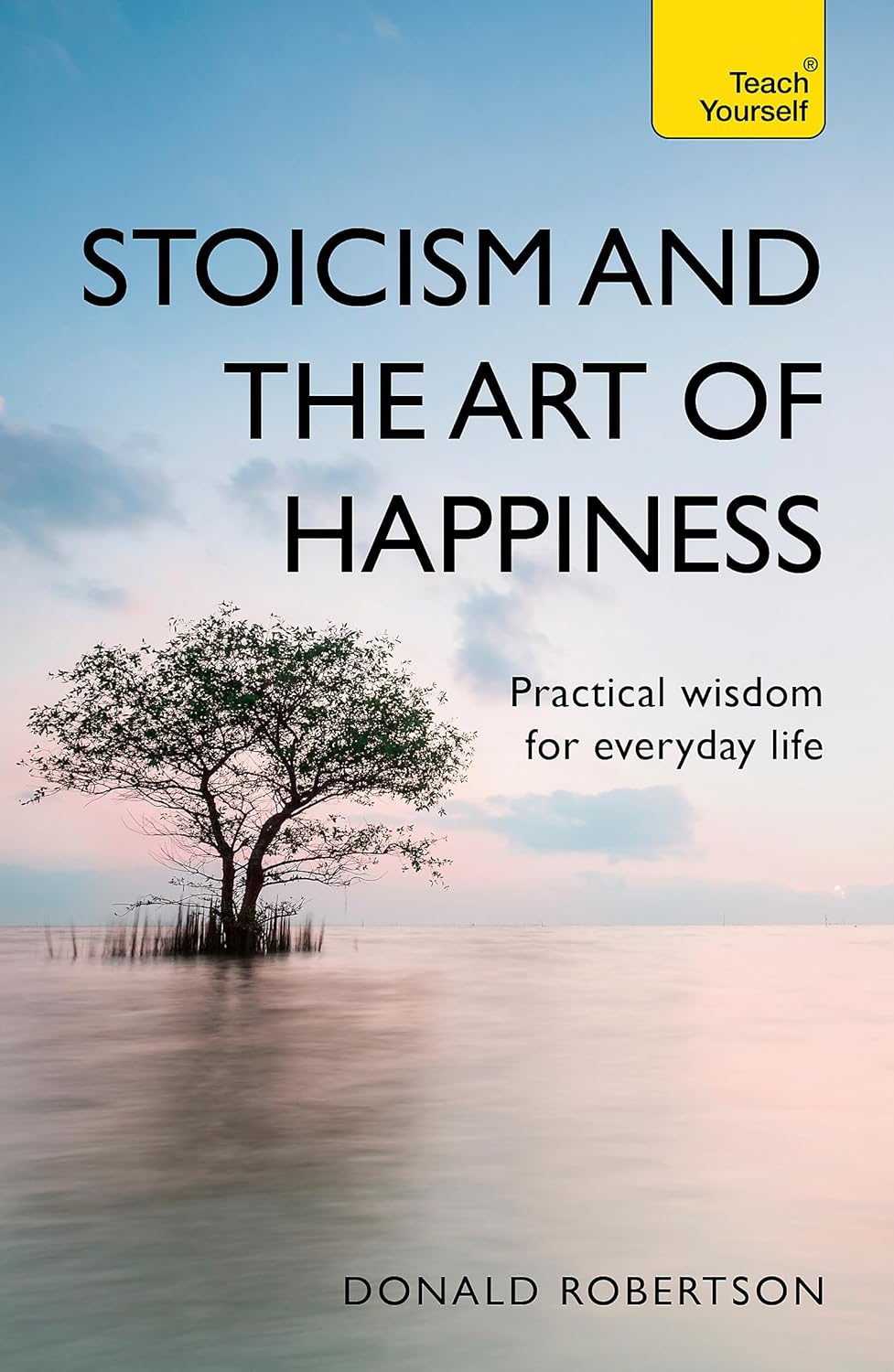
Stoicism and the Art of Happiness
by Donald Robertson
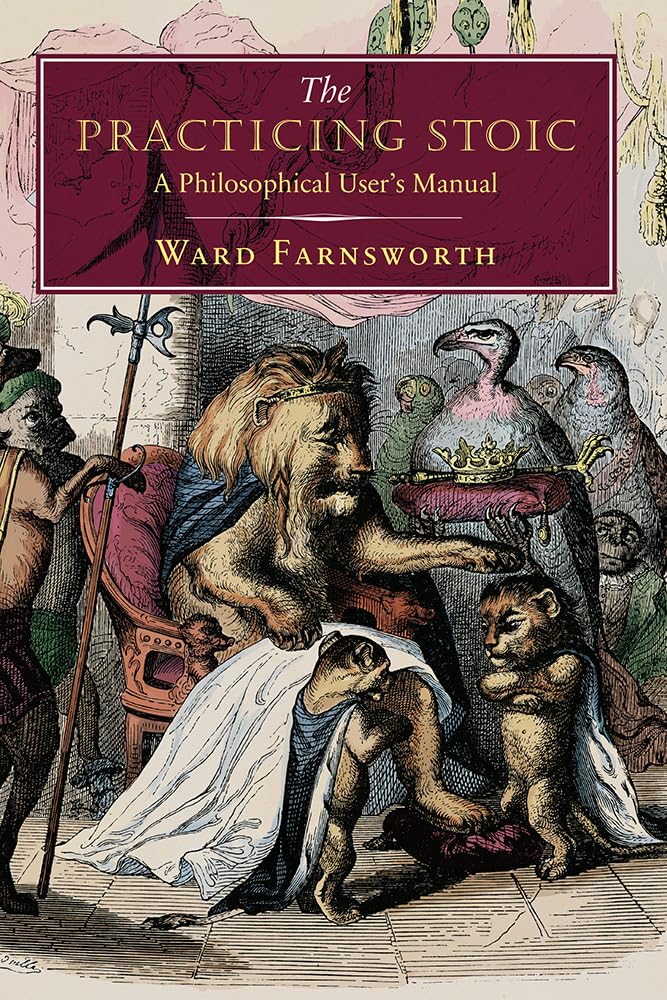
The Practicing Stoic
by Ward Farnsworth